
smart grocery shopping

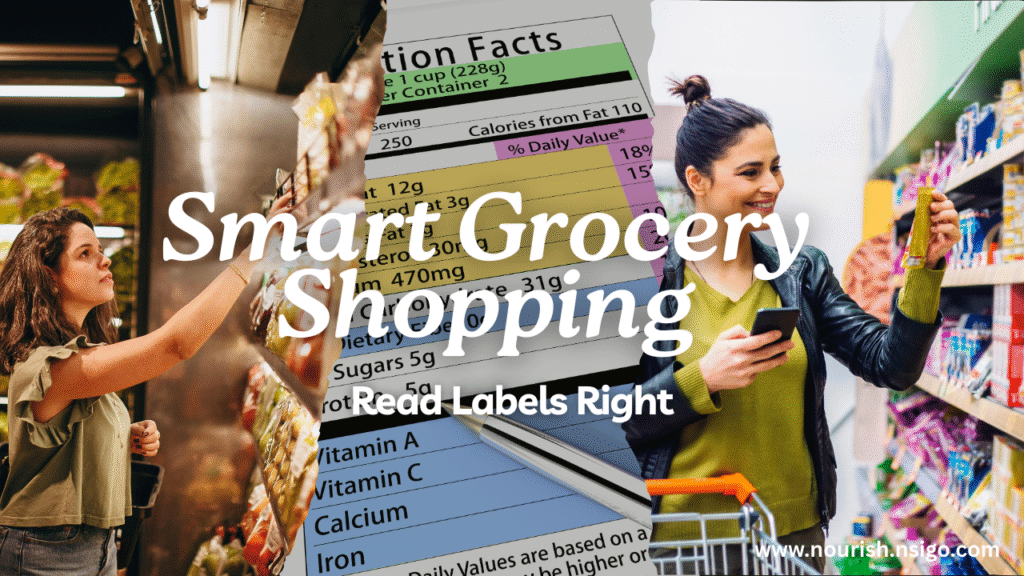
Smart Grocery Shopping: Read Labels Right

Alright, let’s be real for a second—ever stood in the grocery store, clutching a box of cereal while squinting at the nutrition label like you’re deciphering hieroglyphics? Because, honestly, same. Those labels? Wild. Bunch of numbers, mystery words, and percentages that make zero sense unless you moonlight as a dietitian.

But here’s the deal: once you kinda get the hang of it, those labels flip from “confusing mess” to “secret weapon.” Seriously, you’ll start shopping like a pro.

First things first: Serving Size.

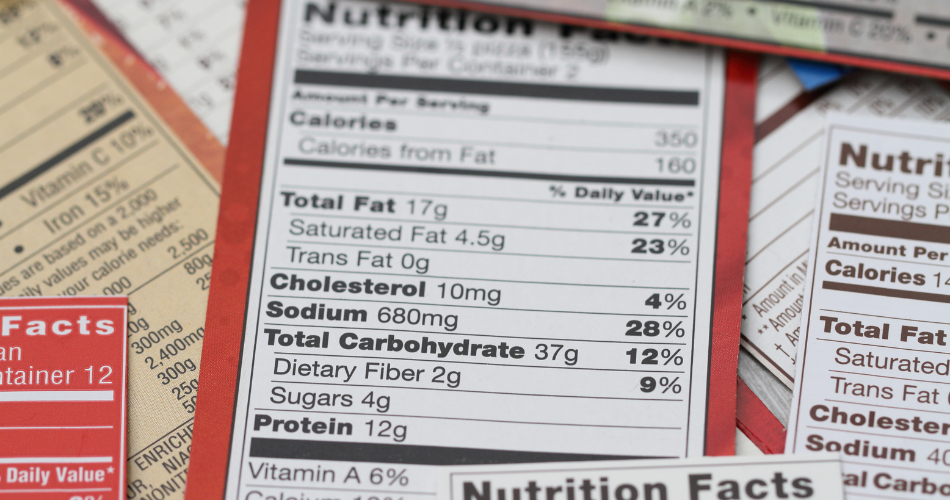
Look, I know, it’s tiny and hiding up at the top. But if you skip this? You’re basically playing yourself. The label says half a cup, but you pile on a full cup? Congrats, you just doubled the calories, sugar, EVERYTHING. Math isn’t fun, but trust me, it matters. Don’t let them trick you.

food labels img 1

Now, Calories.

Everyone gets weird about calories. Don’t. It’s just telling you how much oomph you’re getting per serving. That whole “2,000 calories per day” thing? Just a rough guide, not the Ten Commandments. So if your granola bar packs 400 calories, gotta ask yourself: Is it snack-time or a whole meal? Sometimes you want the treat. Sometimes you don’t. You do you.

Stuff to Watch Out For

Okay, not all nutrients are the heroes. Some are the villains.

  1. Saturated fat and trans fat—yeah, these guys are straight-up trouble for your heart.
  2. Sodium—sneaky little devil, hiding in pretty much every packaged thing. Too much = blood pressure goes up, not ideal.
  3. Added sugars—don’t even get me started. Fruit sugar? Cool. Added sugar? Energy spike, then crash and burn. Not worth it.
food labels img 2

What You Actually Want

Labels aren’t just a list of “bad stuff.” There’s good stuff, too. Hunt for these:

  1. Fiber—makes you feel full, keeps things moving. Enough said.
  2. Protein—muscle fuel. Plus, keeps you from attacking the snack drawer every hour.
  3. Vitamins & minerals—like vitamin D, calcium, iron. Most folks are running low on these, so more is usually better.

% Daily Value (%DV)—Math But Less Annoying

This part is actually useful, swear. Here’s the cheat code:

  •  5% or less? That’s low.
  • 20% or more? That’s high.

So if your cereal flexes 25% fiber per serving, go for it. If it’s 30% sodium? Maybe don’t eat the whole box.

Don’t Sleep on the Ingredient List

This is where brands hide their secrets. Ingredients are listed biggest to smallest. If sugar’s hanging out at the front of the line, or the list reads like a chemistry exam, just… rethink it. Short, simple, recognizable stuff = probably a better pick.

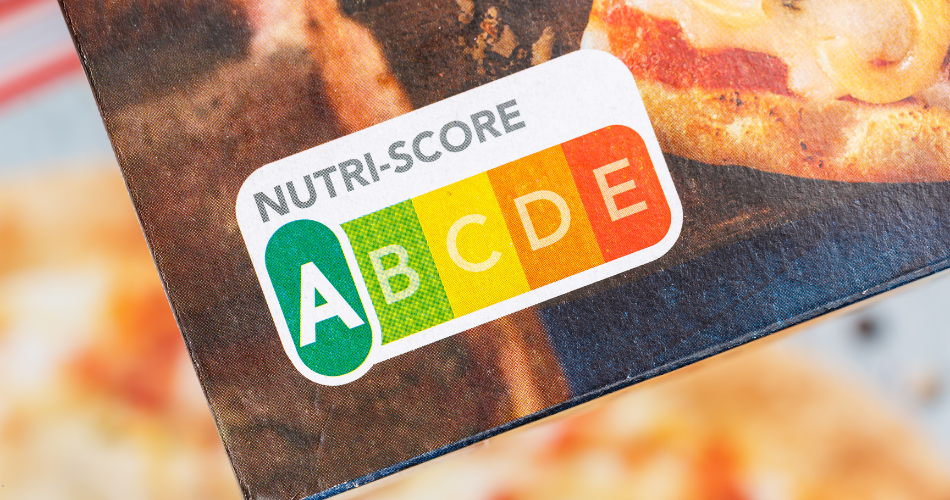
traffic light label img

Traffic Light Labels: The Lazy Person’s Shortcut to Eating Smarter

Alright, let’s get real—who’s got time to decode those tiny nutrition charts on every box? That’s where these traffic light labels come in. No PhD required. Just colors. Boom, done.


So, here’s the deal:

  1. Green Label – Basically, Your Best Friend

If it’s got a green sticker, congrats—you’re basically a health guru. Green means low fat, low sugar, low salt, low drama. The kind of stuff your doctor wishes you’d eat more often.

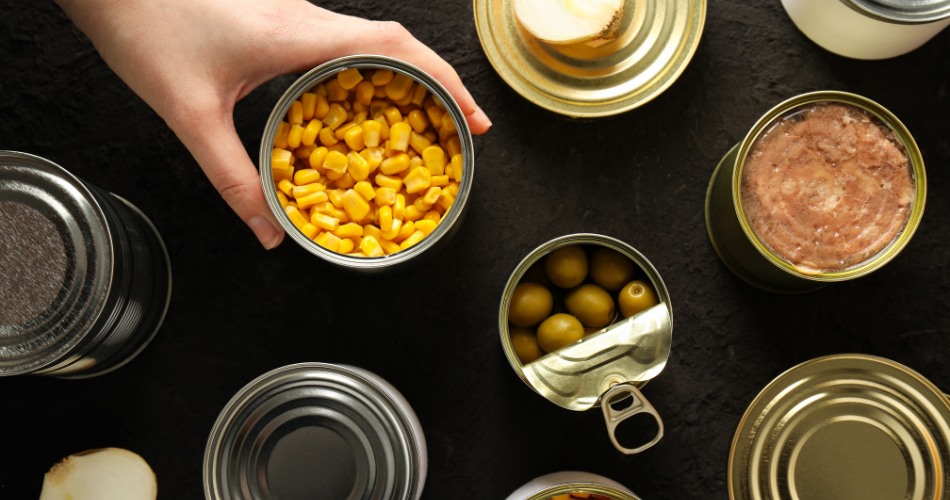
Think: wholegrain bread, boring—but good for you—oats, plain yogurt (not the sugar bomb kind), canned beans (just beans, not floating in syrup), veggies. You know, the stuff Instagram influencers pretend to eat for breakfast.


  1. Amber/Yellow Label – Meh, Not the Worst

So this is the middle child of the bunch. Amber means, “Hey, I’m not a disaster, but don’t get cocky.” There’s a bit more fat, sugar, or salt, but it’s not a crime scene. Granola bars, fruit yogurt (the kind that’s half yogurt, half jam), some pasta sauces, lightly salted nuts, baked crisps. Basically, the snack aisle’s version of “I tried.”


  1. Red Label – Danger Zone (But Also Tastes Amazing)

Let’s be honest: the red label is where all the delicious trouble lives. Chocolate bars, sodas, chips, creamy dressings, donuts, bacon, whatever keeps cardiologists in business. Red means high fat, sugar, or salt. Tasty? Absolutely. Everyday? Probably not unless you’re training for the Couch Potato Olympics.


How to Actually Use This in Real Life

Look, you’re not running a lab—just compare stuff. Picking cereal? Go for the one with more greens and fewer reds. Easy.

Chill about amber and red labels. You’re not a robot; you’ll eat them sometimes. The trick is to keep most of your haul green, some amber for fun, and reds for treat-yourself moments.

Bottom Line

Reading nutrition labels isn’t some weird diet punishment. It’s just you, getting wise to the marketing nonsense and making choices that actually work for you. Once you know what’s up, you’ll save cash, dodge the junk, and stop falling for “healthy” claims that are totally bogus. Go ahead, flex those label-reading skills in aisle five.

Knowledge is the best ingredient you can add to your grocery cart.

If this helped you, you’ll love these related reads.

Leave a Comment

Your email address will not be published. Required fields are marked *